

Key Takeaways
- Match the market: Choose the rental type based on local demand, expected lease length, and the work involved.
- Compare total costs: Account for furniture, cleaning, replacements, insurance, vacancy, and turnover when evaluating a rent premium.
- Plan before furnishing: Document condition, define lease responsibilities, and start unfurnished when demand does not support furniture costs.
When you prepare a Columbia-area home for rent, one of the first choices is whether to furnish it. A furnished rental comes with beds, sofas, tables, and often kitchenware. In an unfurnished rental, residents bring their own belongings.
Furnished homes can command higher rent, but they bring added costs, wear, and complexity. At Real Property Management Reliant, we help owners evaluate rental choices against local demand, operating costs, and the work involved.
What Each Option Means
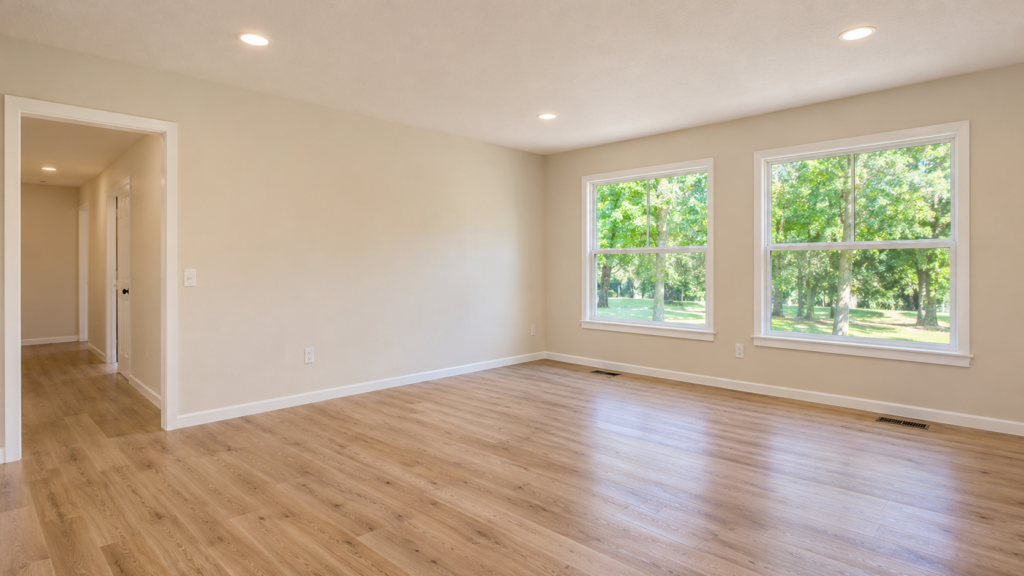
An unfurnished rental provides the home and agreed appliances, such as a stove, refrigerator, or washer and dryer. The resident supplies furniture and household items. A furnished rental includes furniture and, depending on the arrangement, housewares, linens, utilities, or internet. Define clearly what is included.
Furnishings and lease length are separate decisions. A furnished home can have a longer lease, while an unfurnished home can have a shorter one.
Who Rents Furnished Homes?
Furnished homes appeal to people who need housing quickly or temporarily and do not want to move their belongings. Some residents value a home ready for use while moving between properties or waiting for their furniture to arrive.

The potential audience differs from the unfurnished market. Review local demand and likely lease lengths before investing. Shorter stays can mean more frequent turnover, even when the monthly asking rent is higher.
The Case for Unfurnished
An unfurnished home can simplify ownership while allowing residents to use their own belongings:
- Lower upfront cost: You do not need to buy or store furniture.
- Longer-term use: The setup suits residents planning to settle in with their belongings.
- Fewer assets to maintain: There is no owner-provided furniture to repair or replace.
- Simpler turnover: There is no furniture inventory to check and clean.
- Broader use: Residents can arrange the home around furnishings they already own.
The Case for Furnished
A furnished home offers convenience that can support a different leasing approach:
- Higher monthly rent: Included furnishings can support a premium over comparable unfurnished homes.
- Flexible housing needs: Residents can move in without transporting a household of furniture.
- Ready for use: Beds, seating, and dining furniture reduce setup work at move-in.
- Potential market opening: Comparable listings may reveal limited furnished supply for the proposed lease length.
Do the Math Before You Buy Furniture
Compare the expected rent premium with furnishing, replacement, storage, cleaning, and insurance costs. For a useful break-even estimate, divide the initial furniture investment by the monthly premium remaining after added operating costs. If those costs consume the premium, the furnishings are not paying for themselves through added rent.
Factor in vacancy and turnover, too. Compare local listings by lease length and included amenities, then budget for slower months. An advertised premium means little if frequent vacancies absorb it.
Wear, Damage, and Replacement
Furniture wears out, gets damaged, or goes missing, making replacement an ongoing owner expense. Use an inventory with photographs at move-in and move-out. Choose durable, neutral furniture that is easy to clean, and budget for upholstery, mattresses, and linens.

Clarify responsibility for utilities, internet, lawn care, and supplies in the lease. Plan for replacements before worn or mismatched furniture weakens the listing. If you cannot maintain the furnishings, an unfurnished rental may be the better option.
Legal and Insurance Considerations
Ask your insurance agent whether your policy covers owner-provided furnishings and the intended rental use. Review liability coverage, exclusions, and deductibles alongside the furniture budget.
The lease should list included items and assign cleaning, utility, and damage responsibilities. Check applicable Missouri requirements and local rental rules before choosing lease terms. Short stays can trigger different local requirements; furnishing the property does not itself determine the permitted rental use.
A Practical Way to Test It
If demand is uncertain, start unfurnished and monitor the market before investing in furniture. Offering a washer and dryer can add convenience without furnishing the entire home.
For furnished rentals, use clear photos, list included items, explain utilities and lease terms, and screen applicants using consistent written criteria. Set a minimum lease term that supports your costs. Review performance after the first year and switch to unfurnished if the numbers do not justify the investment.
Bottom Line
The best choice is the one you can run well. A well-maintained unfurnished home with sustained occupancy can outperform a furnished home that is rarely ready for its next resident. Let your budget, time, and local rental evidence guide the decision.
Real Property Management Reliant supports owners through screening, leasing, maintenance, and property evaluations, with online portals and after-hours support. Our local rental estimates help owners compare the options with their expected costs.
Frequently Asked Questions About Furnished and Unfurnished Rentals
The furnishing decision affects both the initial budget and recurring management work. Clear inventories, realistic lease terms, and property-specific estimates make that comparison more useful.
How Can I Determine Whether My Rental Property Is Suitable for Furnished Housing?
Consider the property’s location, layout, storage, and likely lease length. Review listing photos alongside your room measurements and plans for furniture placement and storage to assess how each room would function.
Review comparable furnished listings near the property, including what they provide and how their asking rents differ from unfurnished homes. Avoid treating every furnished listing as a direct comparison when utilities or lease terms differ.
Estimate furnishing costs and the time needed between occupancies. A property suits this approach when its likely added income supports those costs and you can keep the furnishings ready for use.
Can I Furnish Only Part of My Rental Property?
Yes. A partial approach can help test demand without furnishing every room. You might provide major appliances or essential living and sleeping furniture while leaving other items to the resident. State exactly what is included in the lease and listing, since the word “furnished” can create different expectations.
Compare the partial package’s purchase and maintenance costs with the rent it can support. Keep an itemized inventory, and avoid buying additional pieces until local inquiries or comparable rentals show a useful reason.
What Should a Furnished Rental Lease Include?
List the furniture, appliances, and household items provided, along with their documented condition. Specify who handles cleaning, utilities, internet, and damaged or missing items. The written terms should match the listing so residents understand the arrangement before signing.
Use dated move-in and move-out photographs and an inventory that identifies each item clearly. Record replacements during the tenancy, too. Keeping the lease and condition records together helps distinguish routine furniture wear from a specific incident and gives both sides consistent information during turnover.
Does Furnishing a Rental Affect Insurance or Legal Requirements?
It can. Confirm that your insurance policy covers the furnishings you supply and the way you will rent the property. Ask about covered losses, liability protection, and whether a change in occupancy length requires different coverage. Keep written confirmation with your property records.
For properties within Columbia’s city limits, check the short-term rental requirements before offering shorter stays. Assess those obligations separately from the furniture purchase so licensing or insurance costs are included in the comparison.
How Can a Property Manager Help With a Furnished Rental?
A property manager can assess rental pricing, market the home, screen applicants, coordinate maintenance, and manage leasing and rent collection. For a furnished property, the owner also needs clear responsibility for inventories, cleaning, and replacement purchases. Define those tasks in the management arrangement before choosing the rental format.
Real Property Management Reliant provides leasing and full-service management in Columbia and throughout Middle Missouri. Our property evaluations and owner reporting help keep condition records and operating information available when owners review performance.
Can Real Property Management Reliant Help Me Decide Which Rental Strategy Is Best?
Yes. Our rental property evaluation helps owners understand potential rental income and prepare a home for the market. Compare that local estimate with furniture purchases, recurring expenses, and the vacancy allowance for each option. The comparison should use the same property and a consistent planning period.
A higher asking rent is useful only when the added income covers the added work and costs. We help owners evaluate rental pricing and property preparation so they can choose an approach that fits their budget and management preferences.
This content is provided for general informational and educational purposes only and does not constitute financial, legal, tax, or investment advice. Readers should consult with licensed professionals regarding their specific circumstances.
We are pledged to the letter and spirit of U.S. policy for the achievement of equal housing opportunity throughout the Nation. See Equal Housing Opportunity Statement for more information.
